
Close Menu

    Subscribe to Updates

    Get the latest creative news from FooBar about art, design and business.

    What's Hot

    Wegovy pill in UAE: Prices, doses and why first-time users are showing interest

    June 18, 2026

    OMODA & JAECOO SHS Powers UAE Football Fans’ Summer Journeys with Performance and Comfort

    June 18, 2026

    Literature Commission Inaugurates Saudi Pavilion at Beijing International Book Fair 2026

    June 18, 2026
    Facebook X (Twitter) Instagram
    Riyadh Week
    • Home
    • KSA
    • Business
    • Technology
    • Sports
    • Lifestyle
    Facebook X (Twitter) Instagram YouTube
    Riyadh Week
    Home»KSA»Why Do Aseer’s Beekeepers Migrate Their Hives Between Mountain Peaks and Coastal Plains?
    KSA

    Why Do Aseer’s Beekeepers Migrate Their Hives Between Mountain Peaks and Coastal Plains?

    Editorial TeamBy Editorial TeamMay 2, 2026
    Share Facebook Twitter Pinterest Copy Link LinkedIn Tumblr Email
    Share
    Facebook Twitter LinkedIn Pinterest Email Copy Link

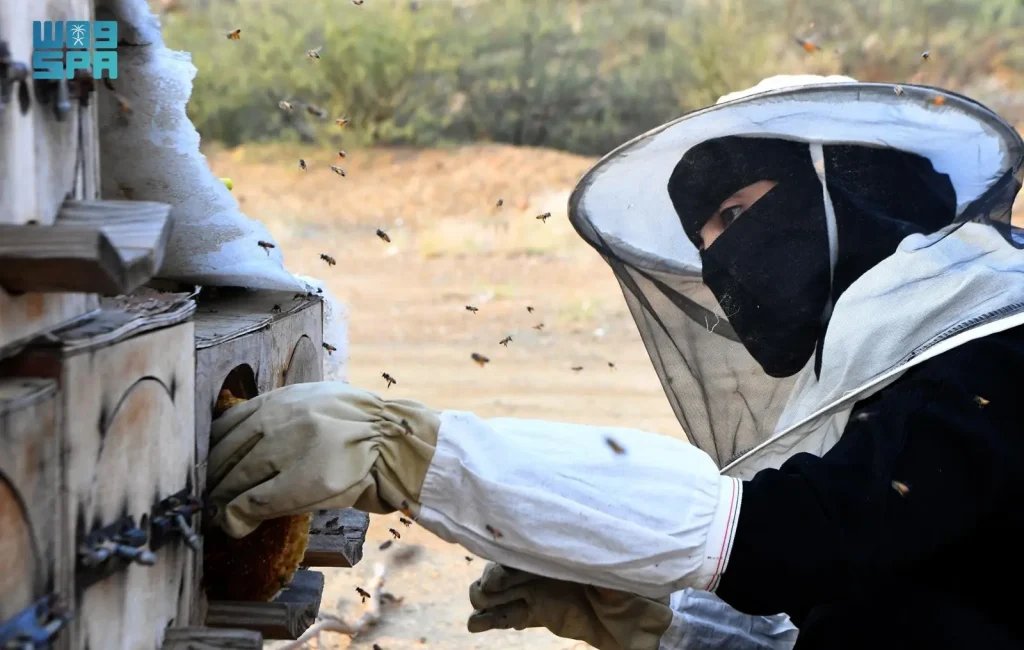
    Beekeepers in Aseer Region are currently engaged in their seasonal hive migration, a traditional practice that follows the flowering cycles and diverse natural pastures of the Sarawat mountains and Tihama plains. This strategic movement allows honeybees to access varied sources of nectar and pollen, significantly enhancing the quality and diversity of the honey produced.

     According to Ibrahim Al-Khalban, an international honey expert and member of the Beekeepers Association in Rijal Almaa, the region’s unique topography dictates the harvest schedule. The Sidr honey season peaks in late summer and early fall, while Talh honey and wildflower spring honey are harvested in late spring and early summer. By migrating between higher elevations and coastal plains, beekeepers maximize production across these distinct botanical seasons.

     The current shift from the Tihama plains to the Sarawat mountains follows the conclusion of the summer acacia and tamarisk seasons in the lowlands. This upward migration serves a dual purpose: protecting the hives from the intense summer heat of the plains and utilizing the nectar from high-altitude flora, including juniper, wild olive, and mountain acacia trees.

     Aseer’s rich biodiversity, characterized by a vibrant spectrum of seasonal blooms, provides a primary food source for the bees. Beyond the iconic jujube and acacia trees, the region’s flora flourishes after rainfall, ensuring a sustainable environment for one of the Kingdom’s most prized traditional industries.

    Source: Riyadh Daily

    Related Posts

    Literature Commission Inaugurates Saudi Pavilion at Beijing International Book Fair 2026

    June 18, 2026

    AlUla Highlights Progress in Vegetation on World Day to Combat Desertification and Drought

    June 18, 2026

    Jeddah Governor Attends Social Responsibility in Institutional Structures Forum

    June 18, 2026
    Top Posts

    Wegovy pill in UAE: Prices, doses and why first-time users are showing interest

    June 18, 2026

    QBS Software Middle East embeds AI into core operations

    April 1, 2026

    Bosnia’s Barbarez cool as ice after reaching World Cup in shootout with Italy

    April 1, 2026

    Kuwaiti tanker hit by Iranian drone attack in Dubai waters

    April 1, 2026
    Don't Miss

    Wegovy pill in UAE: Prices, doses and why first-time users are showing interest

    By Editorial TeamJune 18, 2026

    The newly launched Wegovy pill is now available in the UAE, with prices ranging from…

    OMODA & JAECOO SHS Powers UAE Football Fans’ Summer Journeys with Performance and Comfort

    June 18, 2026

    Literature Commission Inaugurates Saudi Pavilion at Beijing International Book Fair 2026

    June 18, 2026

    Kaspersky Container Security introduces features to optimise DevSecOps and detect misconfigurations

    June 18, 2026
    • KSA
    • Business
    • Technology
    • Lifestyle
    • Sports
    2026. All rights reserved.

    Type above and press Enter to search. Press Esc to cancel.