
Close Menu

    Subscribe to Updates

    Get the latest creative news from FooBar about art, design and business.

    What's Hot

    Democrats win US Senate, ending Republican dominance 

    November 4, 2026

    Mantle8 launches natural hydrogen exploration programme in Ras Al Khaimah

    November 4, 2026

    Cathelco, an Evac Group Company, Brings Advanced Marine Protection and Sustainable Technologies to ADIPEC 2026

    November 4, 2026
    Facebook X (Twitter) Instagram
    Riyadh Week
    • Home
    • KSA
    • Business
    • Technology
    • Sports
    • Lifestyle
    Facebook X (Twitter) Instagram YouTube
    Riyadh Week
    Home»KSA»Jazan Region’s Pastures Offer Rich Plant Diversity, Abundant Nectar for Honey Production
    KSA

    Jazan Region’s Pastures Offer Rich Plant Diversity, Abundant Nectar for Honey Production

    Editorial TeamBy Editorial TeamNovember 4, 2026
    Share Facebook Twitter Pinterest Copy Link LinkedIn Tumblr Email
    Share
    Facebook Twitter LinkedIn Pinterest Email Copy Link

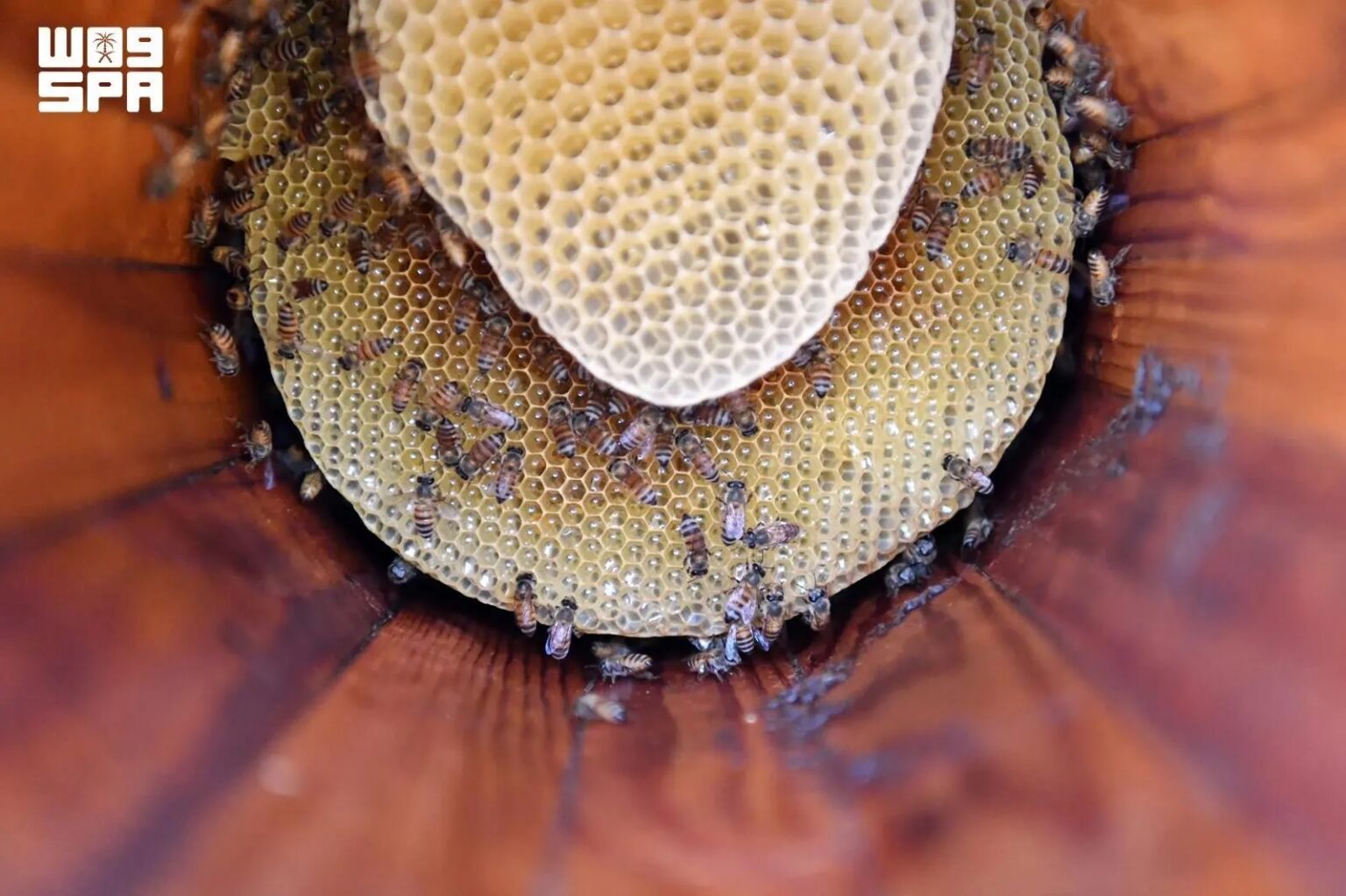
      Recent rainfall in Jazan Region has created new opportunities for beekeepers by renewing vegetation and bringing flowers into bloom across plains, valleys, and mountain highlands, turning pastures into sources of nectar and pollen.

     Throughout the nectar seasons, sidr, samar, salam, shawka, dhahyan, and qatad trees are sources of nectar for honey production in Jazan. The qatad season begins in January and continues through February and early March, while dhahyan and sidr honey are produced in October and November.

     Several beekeepers in Jazan Region noted that monitoring plant growth after rainfall helps determine the best times to take advantage of pastures.

     Vice President of the Jazan Beekeepers Association Suleiman Al-Ghazwani said the number of beekeepers in the region has exceeded 3,000, while traditional beehives have reached 160,915, in addition to 130,000 modern ones.

     He said honey production varies among pastures depending on flower abundance and the length of the blooming period, noting that the region’s annual output reached 426,526 kilograms.

     The importance of nectar-producing pastures extends beyond local activity. Al-Ghazwani noted that Jazan Region attracts more than 1,000 beekeepers annually from across Saudi Arabia.

     Jazan Region’s pastures show how plant diversity and local expertise work together to boost output, creating broader opportunities to benefit from natural resources, promote sustainable agricultural practices, and strengthen its presence in Saudi Arabia’s honey production and marketing industry.

    Source: Riyadh Daily

    Related Posts

    Al-Baha Municipality Records Over 6,800 Volunteer Hours in October

    November 4, 2026

    Aramco Announces Q3 2026 Results, Declares $21.9 Billion Base Dividend

    November 4, 2026

    KPMG Middle East appoints Ismail Alani as Head of Clients and Markets

    November 3, 2026
    Top Posts

    Democrats win US Senate, ending Republican dominance 

    November 4, 2026

    QBS Software Middle East embeds AI into core operations

    April 1, 2026

    Bosnia’s Barbarez cool as ice after reaching World Cup in shootout with Italy

    April 1, 2026

    Kuwaiti tanker hit by Iranian drone attack in Dubai waters

    April 1, 2026
    Don't Miss

    Democrats win US Senate, ending Republican dominance 

    By Editorial TeamNovember 4, 2026

    WASHINGTON — Democrats have retaken control of the US Senate, delivering a decisive rebuke of…

    Mantle8 launches natural hydrogen exploration programme in Ras Al Khaimah

    November 4, 2026

    Cathelco, an Evac Group Company, Brings Advanced Marine Protection and Sustainable Technologies to ADIPEC 2026

    November 4, 2026

    Al-Baha Municipality Records Over 6,800 Volunteer Hours in October

    November 4, 2026
    • KSA
    • Business
    • Technology
    • Lifestyle
    • Sports
    • Contact us
    2026. All rights reserved.

    Type above and press Enter to search. Press Esc to cancel.