

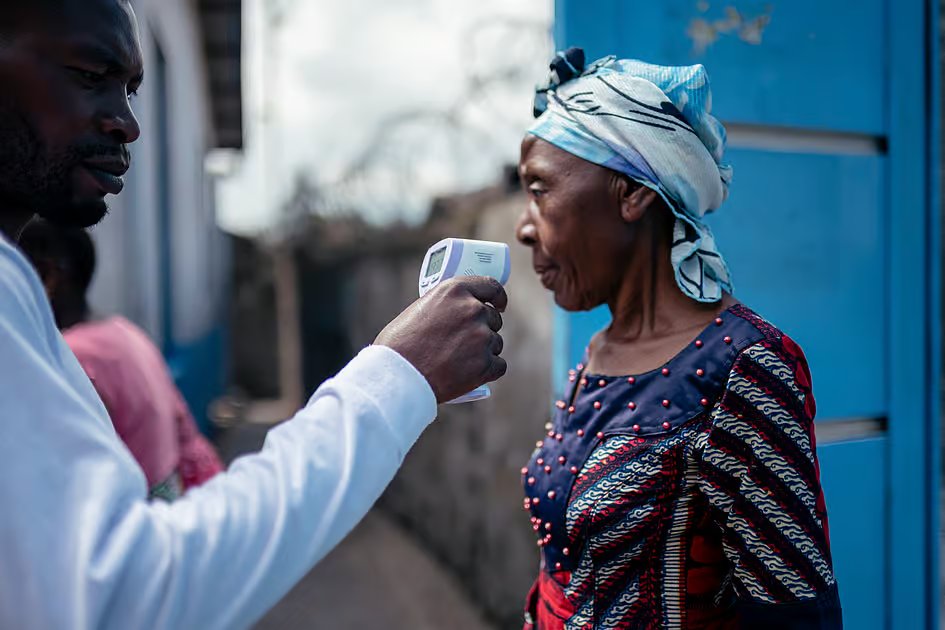
The World Health Organisation (WHO) on Wednesday said suspected Ebola deaths linked to the ongoing outbreak in Congo had risen to 139, with numbers expected to increase further as investigations continue.
Amid growing concern, the UAE said authorities are prepared to handle any emerging Ebola-related health situations. Doctors reassured residents that the public risk remains ‘extremely low.’ Medical experts urged travellers to stay informed about symptoms and follow basic precautions. They stressed that Ebola does not spread through casual public contact such as travelling through airports, malls, or public transport.
‘Ebola does not spread through casual contact’
Doctors said one of the biggest misconceptions surrounding Ebola is that it spreads easily through the air like Covid-19 or influenza.
Dr Maryam Mojtabavi, specialist in infectious diseases at NMC Royal Hospital, Sharjah, said, “The virus spreads through direct contact with bodily fluids such as blood, vomit, saliva, sweat, or secretions of an infected person who is already showing symptoms.
Dr Saheer Sainalabdeen, specialist pulmonologist at Medeor Hospital Dubai, explained that Ebola does not spread through air, water, food, or casual interactions like sitting near someone on public transport, passing through airports, or visiting malls. “In short, the risk to the average UAE resident going about daily life in airports, malls, or on public transport is extremely low,” he said.
“Fear and misinformation often spread faster than the disease, urging residents to rely on official updates from UAE health authorities rather than alarming social media posts,” said Dr Maryam.
Symptoms travellers should not ignore
According to doctors, Ebola symptoms can appear suddenly and may initially resemble other common illnesses. “Early symptoms include fever, fatigue, muscle pain, headache, sore throat, vomiting, diarrhoea, abdominal pain, and weakness,” said Dr Saheer.
“The incubation period for Ebola can last up to 21 days, making travel history important for anyone returning from affected regions,” added Dr Shaheer.
Doctors highlighted that residents who develop symptoms after travelling should seek medical advice immediately and clearly disclose their travel history to healthcare providers. “Residents should avoid self-medicating or attending crowded places if they feel unwell after travel,” said Dr Maryam.
“Having a fever after travel does not automatically mean Ebola,” she said, adding that many common illnesses can also cause similar symptoms.
Dr Saheer also clarified another misconception about the virus. “Although bleeding is commonly associated with Ebola, it is usually not an early symptom and may appear later in severe stages of the disease.”
UAE systems remain active, prepared
Doctors said that the UAE’s public health infrastructure and airport monitoring systems continue to play a major role in disease prevention and preparedness. “The UAE authorities have reinforced surveillance systems across airports, healthcare facilities, and emergency response networks, while hospitals and medical teams remain prepared to respond efficiently if required,” said Dr Saheer.
Dr Maryam added that airport screening, hygiene measures, and early reporting remain the first line of defence against infectious diseases in global travel hubs such as the UAE.
“Families travelling during the summer holidays to follow practical precautions such as regular handwashing, monitoring official travel advisories, avoiding misinformation, and seeking medical attention early if unusual symptoms develop,” she said.
Source: Khaleej Times