

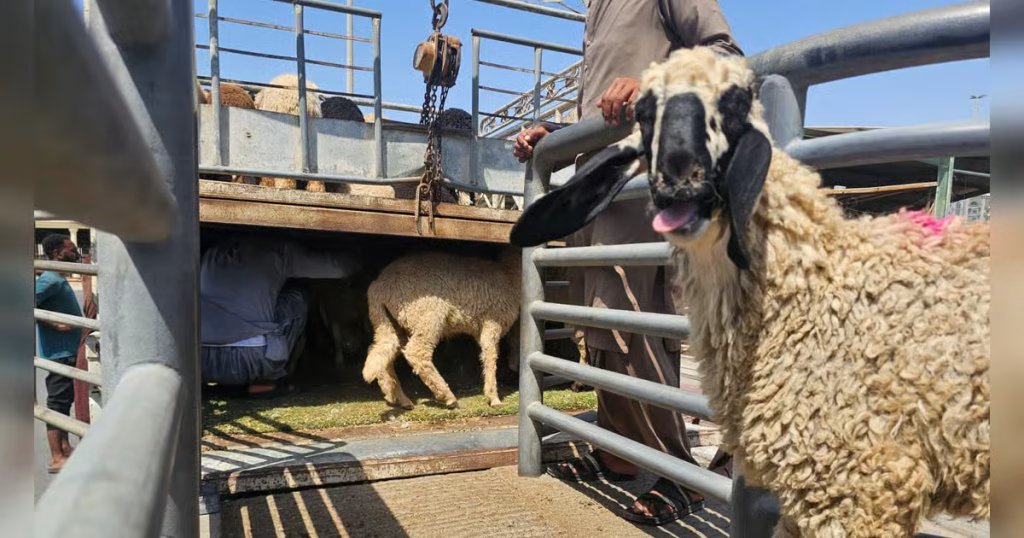
For many families in the UAE, Eid Al Adha has long been associated with rich lamb dishes, large family feasts, and tables filled with traditional comfort food.
But this year, as Eid approaches, some residents are putting a lighter, more health-conscious spin on their celebrations, balancing cultural traditions with changing lifestyle habits.
Across homes in Dubai and Abu Dhabi, classic Eid spreads are increasingly being paired with grilled proteins, healthier sides, portion-conscious serving styles, and air-fried alternatives.
“We still make lamb every Eid because it’s part of the tradition,” said Dubai resident Sarah Ahmed, who hosts family gatherings during the holiday. “But now we also add lighter dishes like grilled vegetables, quinoa salads, and baked appetisers because everyone has become more health-conscious.”
She said her family began changing some of their Eid habits after noticing how heavy traditional meals often left everyone feeling sluggish for the rest of the day.
“We realised Eid meals didn’t have to mean overeating,” she said. “The idea now is to still enjoy the food and gathering without feeling physically drained afterwards.”
Abu Dhabi resident Omar Khaled said fitness culture and changing eating habits also played a role in reshaping how younger residents approach festive meals.
“Before, people would eat huge portions throughout the day because that was just part of Eid,” he said. “Now many people go to the gym regularly, track what they eat, or simply want more balance.”
He added that his family now focuses more on quality than quantity during gatherings.
“There’s still lamb and traditional dishes on the table, but we pay more attention to portions, oils, and how the food is cooked,” he said. “Even desserts have changed. People want lighter options instead of extremely sugary sweets.”
Nutritionists say the shift reflects a broader rise in health awareness across the UAE, especially among younger generations who are becoming increasingly conscious of long-term eating habits.
According to UAE-based clinical nutritionists, Dr Nazara Ameen, Eid meals are often associated with high amounts of saturated fats, sugar, and oversized portions, which can lead to digestive discomfort and energy crashes during the holiday period.
“Celebration and nutrition do not have to conflict,” she said. “Many families now understand that they can preserve cultural traditions while making small adjustments that improve how they feel physically.”
Experts say simple changes such as grilling instead of deep frying, reducing excessive butter and oil, introducing fibre-rich side dishes, and moderating dessert portions can make festive meals significantly lighter without changing their cultural identity.
They also noted that social media and wellness culture have influenced how residents think about food during holidays, particularly among millennials and Gen Z consumers exposed to daily fitness and nutrition content online.
“People today are more informed about how food affects energy, mood, and overall health,” the nutritionist added. “That awareness naturally carries into occasions like Eid.”
Still, residents stress that tradition remains at the centre of the celebration.
“No one is trying to remove the cultural dishes,” Sarah said. “It’s more about adapting them to modern lifestyles while keeping the meaning and warmth of Eid gatherings intact.”
Source: Khaleej Times